Blog
Sp5der Hoodie Materials by Release: Why Some Hoodies Feel Different

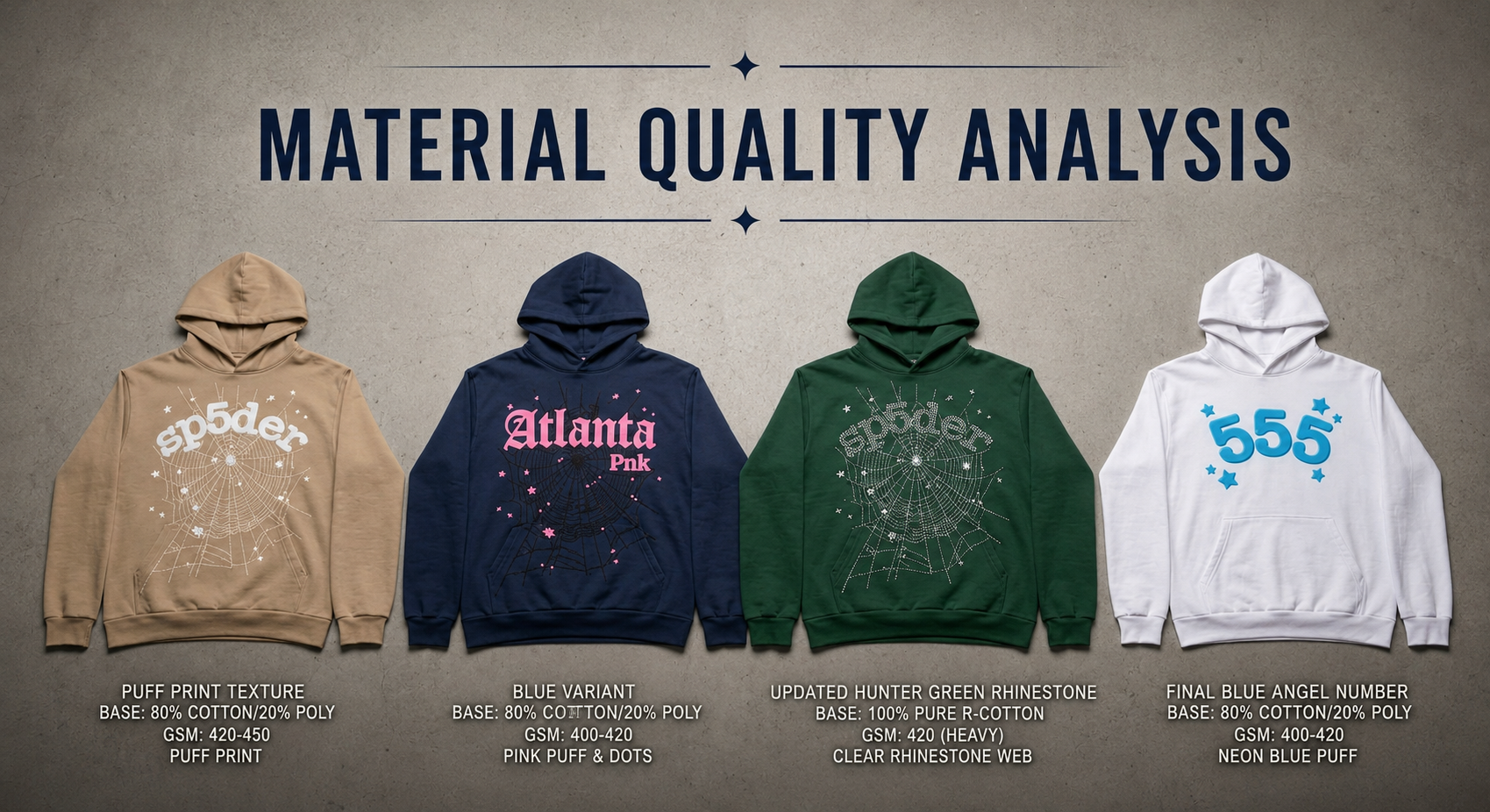
Many buyers assume every Sp5der hoodie feels exactly the same, but that is rarely true across modern streetwear collections. Some releases feel noticeably heavier, denser, and more structured, while others feel softer, lighter, or easier to layer depending on the materials, fleece construction, graphic treatments, and production methods used during that release period.
Even authentic hoodies from the same brand can vary in texture, drape, warmth, and overall hand feel.
This guide explains why different Sp5der hoodies feel different, how heavyweight and midweight constructions change the wearing experience, and why puff prints, rhinestones, fleece density, and fabric sourcing all affect hoodie structure over time.
If you have ever compared two authentic hoodies and wondered why they do not feel identical, this breakdown explains the most common reasons.
Why Some Sp5der Hoodies Feel Different
Not every release uses the exact same construction formula.
Modern Sp5der streetwear brands frequently adjust:
- fabric blends
- fleece density
- graphic applications
- manufacturing runs
- fabric sourcing
- production methods
- seasonal construction goals
Because of those adjustments, one hoodie may feel denser and more structured while another feels softer, more flexible, or lighter in hand.
That variation is normal in Sp5der premium streetwear production and does not automatically indicate quality problems or counterfeit products.
Brands like Supreme and Hellstar also show construction differences between collections depending on release direction and manufacturing choices.
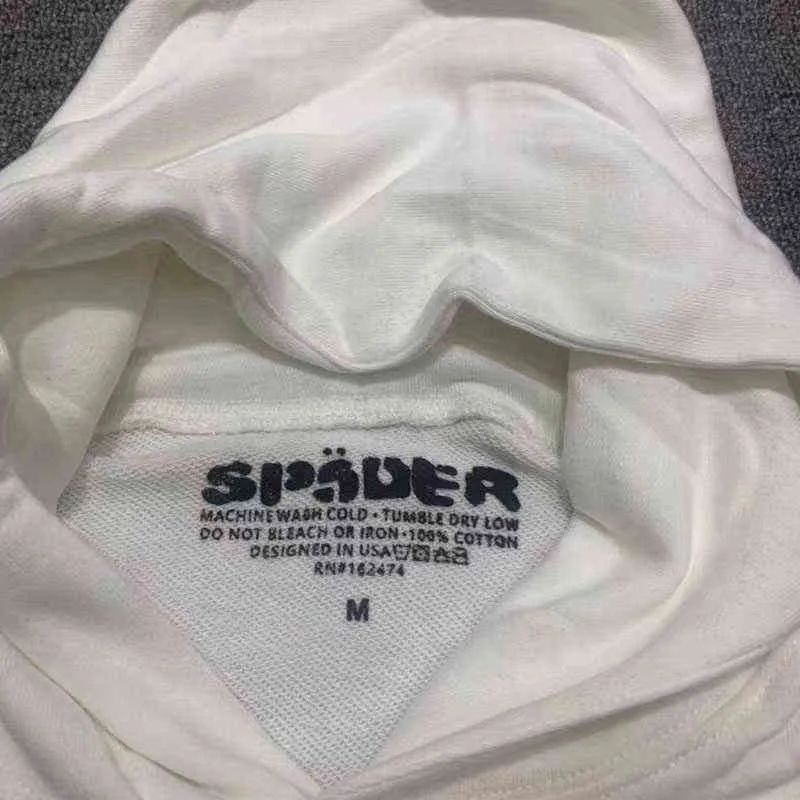
Heavyweight vs Midweight Sp5der Hoodies
One of the biggest differences buyers notice comes from fabric weight and fleece density.
Some Sp5der hoodies feel significantly heavier because they use denser heavyweight construction designed around oversized streetwear silhouettes.
Heavyweight Releases Usually Feel:
- thicker in hand
- warmer during wear
- more structured
- visually oversized
- heavier across shoulders
- more rigid initially
- stronger in fleece density
Heavyweight hoodies often create a more dramatic streetwear silhouette because dense fabric holds shape more aggressively.
The added fabric weight also changes sleeve drape, shoulder drop, and overall garment structure.
Midweight Releases Usually Feel:
- softer initially
- easier to layer
- more breathable
- less bulky
- more flexible during movement
- lighter for daily wear
Midweight hoodies generally create a softer oversized drape compared with rigid heavyweight releases.
Neither construction automatically means better or worse quality. The difference usually reflects the intended style direction of the collection itself.
How Fleece Changes the Hoodie Feel
Interior fleece construction plays a major role in how hoodies feel both physically and visually.
Some releases use denser brushed fleece interiors that create:
- stronger insulation
- plush interior softness
- heavier overall feel
- more winter-oriented wearability
- thicker fabric hand feel
- increased thermal warmth
Other hoodies may use lighter fleece construction that feels:
- softer during movement
- more breathable
- easier for layering
- less rigid on body
- more comfortable during warmer weather
That difference explains why two hoodies may fit similarly while feeling completely different once worn for several hours.
Fleece density strongly affects both comfort and silhouette behavior.
What Material Are Sp5der Hoodies Made Of?
Most Sp5der hoodies are commonly associated with cotton-rich blends built around oversized streetwear construction.
Depending on the release, materials may include:
- cotton
- polyester
- heavyweight fleece interiors
- puff print graphics
- rhinestone detailing
- layered graphic treatments
The exact balance may vary between collections, which changes:
- softness
- fabric density
- drape
- structure
- warmth
- overall garment weight
Different fabric blends naturally affect how hoodies age, stretch, soften, and recover after repeated wear.
Why Puff Prints Change the Feel of a Hoodie
Graphic application affects hoodie texture much more than many buyers expect.
Sp5der often uses puff print graphics that create raised textured surfaces instead of flat lightweight printing.
That raised construction changes:
- surface texture
- front-panel stiffness
- graphic depth
- fabric flexibility
- weight distribution
- print structure
A heavily printed hoodie may feel more rigid and visually structured compared with cleaner minimalist releases.
Large puff print graphics also change how heavyweight fleece folds and drapes across the chest area.
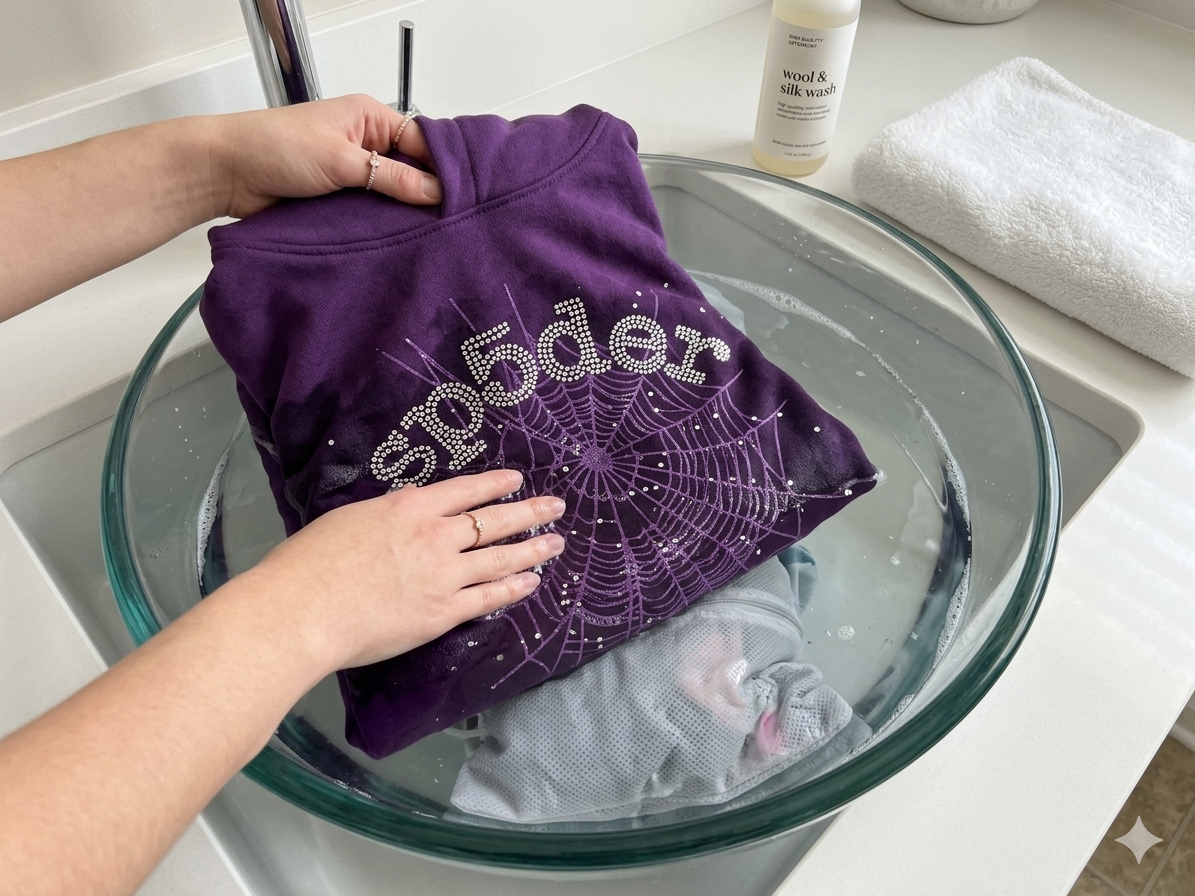
Rhinestone Hoodies Usually Feel Heavier
Rhinestone releases often feel physically different because decorative stones add noticeable surface weight to the garment.
These hoodies may feel:
- heavier across front panels
- more fashion-oriented
- stiffer initially
- less flexible during movement
- more structured visually
The added detailing changes both appearance and overall garment balance.
That is one reason rhinestone hoodies often feel different from simpler graphic-only collections even when sizing remains similar.
What GSM Means for Sp5der Hoodies
Many streetwear buyers pay attention to GSM because it strongly affects hoodie density and structure.
GSM stands for:
grams per square meter
Higher GSM fabrics usually feel:
- denser
- heavier
- warmer
- more structured
- thicker in hand
- stronger in oversized drape
Lower GSM fabrics usually feel:
- lighter
- softer
- more breathable
- easier for layering
- less rigid during movement
Different collections may lean toward different GSM ranges depending on the intended aesthetic and season.
Why Fabric Weight Changes the Oversized Look
Fabric density directly changes how oversized hoodies behave visually.
Heavyweight Hoodies Usually Create:
- stronger shoulder drop
- dramatic sleeve shape
- structured oversized silhouette
- more aggressive streetwear proportions
- rigid fleece drape
Lighter Hoodies Usually Create:
- softer movement
- more relaxed drape
- smoother layering
- less aggressive structure
- more casual oversized styling
The same hoodie size may appear visually larger or smaller depending entirely on fabric density and fleece structure.
That is why oversized silhouettes can feel completely different between releases.
Why Two Authentic Sp5der Hoodies May Not Match Exactly
Many buyers become concerned when one authentic hoodie feels softer, heavier, or more structured than another.
In reality, natural variation can happen because of:
- different release years
- manufacturing updates
- collection-specific construction
- fabric sourcing adjustments
- seasonal design goals
- graphic density differences
- production-run variation
Streetwear collections often evolve gradually instead of remaining perfectly identical forever.
Variation between authentic hoodies is common across modern fashion manufacturing.
What Blanks Does Sp5der Use?
Many buyers ask about blanks because blank quality strongly affects comfort, structure, fleece density, and oversized drape.
Public manufacturing details are not always fully disclosed, but Sp5der hoodies are generally associated with premium heavyweight streetwear-style construction rather than thin promotional hoodie blanks.
Compared with ordinary lightweight retail blanks, streetwear-oriented heavyweight blanks usually focus more heavily on:
- oversized structure
- fleece density
- stronger drape
- thicker construction
- fashion-focused silhouette
Different production runs may also use slightly different construction approaches over time.
Why Older and Newer Releases Feel Different
Fashion manufacturing changes constantly.
Older and newer collections may vary because brands frequently adjust:
- material sourcing
- fleece composition
- print methods
- oversized fit preferences
- production factories
- construction goals
- graphic application techniques
That evolution explains why buyers sometimes notice texture and structure differences between older and newer releases.
Modern streetwear collections rarely stay perfectly identical year after year.
Does Weight Always Mean Better Quality?
Not necessarily.
Some buyers prefer:
- dense heavyweight fleece
- rigid oversized structure
- thicker thermal feel
- stronger fabric presence
Other buyers prefer:
- softer drape
- easier layering
- lighter movement
- more breathable construction
- less bulk during wear
The better hoodie usually depends on personal styling preferences and comfort priorities rather than pure fabric weight alone.
Why Buyers Sometimes Mistake Variation for Fake Products
Many buyers assume any texture or weight difference automatically means the hoodie is fake.
However, authentic variations can happen because of:
- different release batches
- graphic density changes
- material updates
- rhinestone additions
- fleece adjustments
- evolving production methods
Authentication should focus on the complete garment rather than only comparing weight or softness differences alone.
Legitimate releases can naturally vary without becoming counterfeit products.
Wearability Changes Between Different Releases
Different materials also affect how hoodies perform during daily wear.
Heavyweight releases usually work better for:
- colder weather
- winter layering
- oversized streetwear fits
- structured fashion styling
Lighter releases usually feel better for:
- transitional weather
- daily layering
- casual oversized outfits
- more breathable comfort
That is why some buyers intentionally prefer lighter or heavier collections depending on how they plan to style the hoodie.
Common Questions About Sp5der Hoodie Materials
Why do some Sp5der hoodies feel heavier?
Fabric density, fleece thickness, puff print graphics, and rhinestone detailing all affect overall hoodie weight.
What GSM are Sp5der hoodies?
Exact GSM varies by collection, but many releases feel midweight to heavyweight compared with ordinary hoodies.
Why does one Sp5der hoodie feel softer than another?
Different collections may use different fleece textures, fabric blends, and production methods.
Do rhinestones affect hoodie weight?
Yes. Decorative detailing can noticeably change front-panel weight and overall garment structure.
Final Thoughts
Sp5der hoodies do not always feel identical because different releases use different combinations of fleece density, fabric blends, graphic applications, rhinestone detailing, and oversized construction methods.
Heavyweight fleece, puff print texture, GSM variation, and decorative graphics all influence softness, drape, structure, warmth, and overall garment feel. Understanding these material differences helps explain why two authentic hoodies may vary naturally without automatically indicating quality problems or counterfeit production.
In modern streetwear fashion, construction variation between collections is completely normal and often part of the brand’s evolving design direction itself.